Revisiting the Record-Breaking X-Men #1: Why This Comic Still Resonates Decades Later

The Historic Impact of X-Men #1
When Marvel released X-Men #1 in the early 90s, it wasn’t just another comic launch—it marked a cultural phenomenon that skyrocketed sales and changed the comic book industry forever. Far from being the debut of the X-Men franchise, this issue was the start of the series’ second volume but quickly became the bestselling single comic issue worldwide, with over 8 million copies sold. This achievement, standing firm decades later, offers more than just a nostalgic trip—it showcases the unique convergence of market dynamics, top-tier talent, and fan enthusiasm that few comics have since matched.
Setting the Scene: The 90s Comic Boom
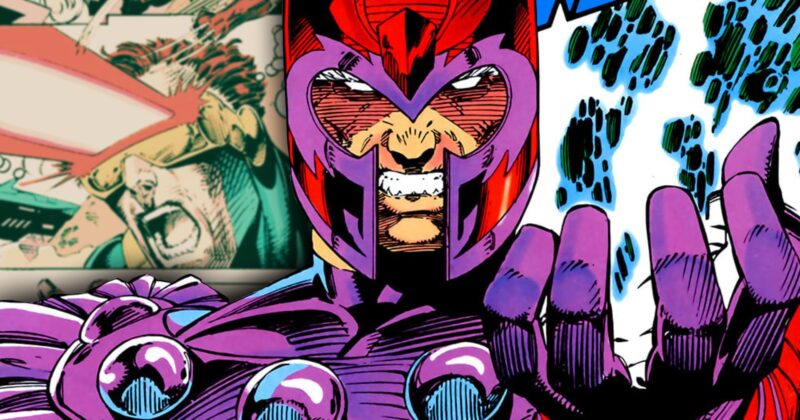
Understanding the context of X-Men #1’s record-breaking sales starts with the 1990s comics speculation bubble. This was a period when collectors and fans began purchasing comics not only for enjoyment but in hopes of substantial financial gains from rarity and first appearances. Comic publishers, including Marvel and DC, capitalized on this by releasing multiple variant covers and special editions, encouraging multiple purchases by single consumers. X-Men #1 featured five distinctive variant covers, including a daring gatefold spread displaying the team battling Magneto — an image that became iconic and a perfect collector’s item. But speculation alone doesn’t tell the whole story. The issue’s success is also deeply tied to the creative forces behind it and the characters it featured.
A Dream Team Behind the Scenes
The creative wizardry of writer Chris Claremont paired with artist Jim Lee is central to why this issue grew legendary. Claremont, having redefined the X-Men since the mid-70s, was renowned for his intricate storytelling, character development, and emotional depth, elevating the franchise beyond typical superhero fare. Meanwhile, Jim Lee emerged as a superstar artist with a distinctive style—detailed, dynamic, and cinematic—which captivated readers and new fans alike. His art on this issue is often credited with igniting the rise of the celebrity comic artist, influencing the industry’s landscape and even pioneering new publishing ventures focused on creator rights and ownership.
Artistic Excellence That Still Holds Up
Revisiting the art reveals Jim Lee’s mastery in bringing vibrancy and power to the page. His designs for new costumes — particularly for fan-favorites like Cyclops, Rogue, and Wolverine — not only refreshed the characters’ visual identities but established looks that would endure through animations and later adaptations. The visual storytelling is complemented by Scott Williams’ crisp inking, Joe Rosas’ vivid coloring, and Tom Orzechowski’s expert lettering, each component blending seamlessly to create a page flow that is both explosive and thoughtfully composed.
Notably, Lee’s use of splash pages in X-Men #1 diverges from today’s tendency to overuse these spreads without narrative payoff. Instead, these pages are crafted artfully with focused compositions and narrative dialogue layered around key images, providing spectacle without sacrificing story progression. This approach adds immense value and impact to the reading experience.
Narrative and Characters That Rekindled Passion
On the writing front, Claremont’s scripting in this landmark issue deftly balances action and character moments, reintroducing readers to beloved figures while weaving a compelling conflict involving Magneto — a character whose complexity adds necessary shades of gray to superhero storytelling. Claremont’s ability to inject depth into the narrative helped the X-Men connect emotionally with audiences, making the comic more than just flashy art and impressive sales.
This issue functioned as a perfect onboarding point for new readers amid a time when comics were trying to broaden their appeal beyond longtime fans. The combination of high-stakes drama, bold visuals, and legacy characters invited fresh audiences into the fold, laying the foundation for the franchise’s continued success in comics, animation, and film.
Legacy Beyond Sales: What X-Men #1 Means Today
While the speculative bubble that helped drive its sales has long since burst, X-Men #1 remains a testament to what makes comic book storytelling resonate: a mixture of timing, talent, and timeless characters. Its creative team’s influence extends far beyond this single issue—Jim Lee remains a defining figure in comics, while Claremont’s storytelling has shaped how the X-Men are perceived across all media.
For newer fans, diving into this issue offers a glimpse into a turning point in comic history, framed by a period of exuberant industry growth and creative experimentation. It also reveals the foundations of many elements that continue to influence how superheroes and their stories are crafted today.