Aaron Taylor-Johnson Transforms in Robert Eggers’ Dark New Horror «Werwulf»

Robert Eggers Unleashes a Menacing Vision With ‘Werwulf’
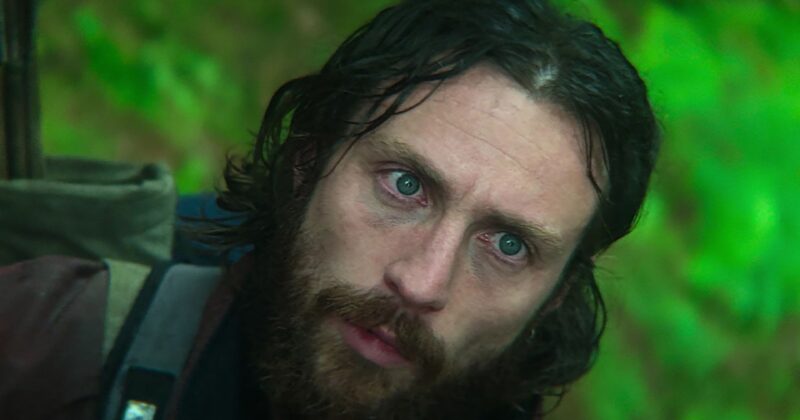
Horror auteur Robert Eggers has again ignited buzz across the cinematic world with the first teaser for his latest feature, Werwulf. Debuting at CinemaCon, the preview stunned audiences with the transformation of Aaron Taylor-Johnson, who takes on a chilling leading role as the legendary werewolf haunting the medieval English countryside.
A Historical Horror Immersed in Authenticity
Set in the rural wilds of 13th-century England, Werwulf distinguishes itself from typical werewolf tales by embracing the meticulous historical realism that defines Eggers’s filmography. Not only is the setting painstakingly rendered, but the dialogue will be performed entirely in Middle English—an ambitious choice that promises to immerse viewers in the grim and gritty texture of the past. For aficionados of film and linguistics, this approach recalls the director’s dedication seen in The Witch, which brought 17th-century New England to unsettling life.
A Haunting Transformation
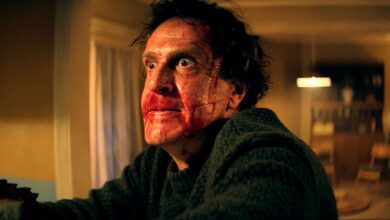
The CinemaCon teaser sets the tone for a film steeped in dread and mythology. It opens on a disturbing image: a man is bound to a cross against shadowy moors, echoing folkloric punishments. Quick cuts introduce audiences to Taylor-Johnson’s character, a villager whose fate is entwined with a predatory force. As clouds obscure the moon, viewers witness a harrowing, physical transformation—bare and unflinching—culminating in an agonized howl as Taylor-Johnson surrenders to the beast within. Eggers is clearly leaning into the psychological horror of losing oneself, not merely the monstrous spectacle.
A Cast Bound by Dark Cinema
Eggers reassembles a formidable ensemble, featuring not just Taylor-Johnson but also Lily-Rose Depp, Willem Dafoe, and Ralph Ineson—all of whom contributed to the director’s acclaimed Nosferatu. Their reunion signals both creative continuity and fresh terrors. The core cast is rounded out by Jack Morris, Jan Bijvoet, Ritchi Edwards, and Bodhi Rae Breathnach, with the screenplay co-written by Eggers and the Icelandic author Sjón, reuniting after their work on The Northman, another brooding exploration of myth and violence.
Eggers’ Accurate Take on Monster Legends
Across his five-film career, Eggers has developed a signature style—historically grounded yet profoundly unsettling. The Witch, The Lighthouse, The Northman, and Nosferatu all helped redefine historical horror for modern audiences. Werwulf looks set to join this lineage, blending period detail and psychological unease in the service of enduring monster myths. The use of authentic language and setting elevates the menace—reminding viewers of the superstition and violence that shaped Europe’s medieval psyche.
The Horror of Transformation at Its Core
Unlike many adaptations that focus on werewolves as mere creatures of the night, Eggers appears to probe the terror of transformation itself: Is Taylor-Johnson’s character cursed by fate, nature, or his own choices? The early footage suggests a dual conflict between human frailty and animal savagery—a classic trope revitalized by Eggers’s penchant for realism and raw emotion.
What to Expect When ‘Werwulf’ Arrives
With its release targeting the close of 2026, Werwulf is positioned as the year’s must-see horror event. Fans can expect an intense, immersive, and intellectual take on lycanthropic legend, with plenty of grisly historical detail and layered performances. Eggers’s film is not just another werewolf movie—it’s an evolution of the genre that promises to haunt audiences long after the credits roll.