How ‘Drive’ Cemented Ryan Gosling’s Status as a Modern Cinematic Icon

The Mysterious Magnetism Behind Ryan Gosling’s Driver
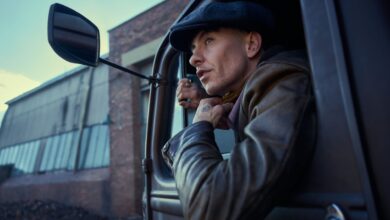
Ryan Gosling’s career has been defined by unforgettable character work, from romantic leads to tragic antiheroes, but it’s as the brooding, near-wordless Driver in Nicolas Winding Refn’s Drive that his legacy has been immortalized in pop culture. This role stands as a totem of cinematic cool—a character of few words and intense gaze, whose understated presence tells as much of the story as the high-octane action sequences.
The Neo-Noir Renaissance
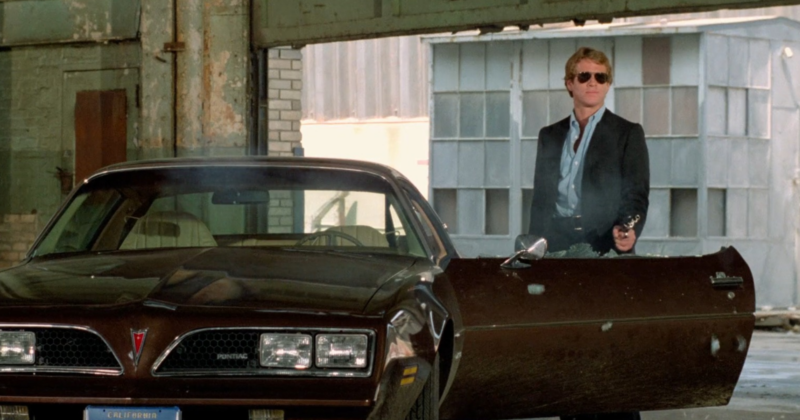
Drive draws its unique allure not just from Gosling’s performance, but from its DNA, heavily inspired by the cult-classic car movies of the 1970s. Films centered around driving exploded in popularity in that era, and Refn’s approach was to infuse his adaptation of James Sallis’ novel with the essence of one film in particular: the 1978 thriller The Driver, directed by Walter Hill and starring Ryan O’Neal. If you’re drawn to the quiet intensity of Gosling’s Driver, O’Neal’s portrayal is essential viewing—a prototype of minimal dialogue, brooding demeanor, and simmering tension that directly influenced Drive’s aesthetic approach.
Performance: Two Ryans, One Archetype
Both Ryan O’Neal in The Driver and Ryan Gosling in Drive have crafted performances that thrive on restraint. Fans of Gosling’s mesmerizing stillness and silent storytelling will immediately recognize the emotional undercurrents that flow beneath O’Neal’s similarly stoic performance. The art of expressing volumes with a glance or the slightest shifting muscle connects these two actors, binding their characters across generations and solidifying Driver as an archetype of modern cinema.
Visual Language: Drama in Every Frame
Where Drive truly carves its niche is in its visual grammar. With celebrated cinematographer Newton Thomas Sigel orchestrating every shot, the film is draped in neon-soaked nights, stark shadow play, and golden sunlight that seeps into domestic spaces, creating an immersive world pulsing with atmospheric tension. This shares a lineage with The Driver, though the earlier film’s palette leans harder into sharp contrasts and heightened realism, establishing a world where the environment mirrors the protagonist’s ambiguous morality. The stylization in both films crafts memorable cinematic universes where not just the protagonists, but cities themselves, breathe as integral characters.
Pushing the Boundaries of Violence
One of Drive’s distinguishing trademarks compared to its 1970s predecessor is its heightened embrace of violence. What’s subtle and simmering in The Driver becomes lurid and explicit in Drive, reflective of an era increasingly comfortable with unfiltered intensity onscreen. Rather than undermining the character’s mystique, this amplifies the stakes and adds complexity to Gosling’s internal conflict—a man whose skill set brushes constantly with the brutality he tries to keep at bay.
Enduring Appeal in the Age of Memes
It’s no accident that the Driver has become the focal point for countless internet memes and digital eras of film commentary. Gosling’s cool restraint and the film’s retro-noir stylings have fused into a pop culture shorthand for a particular brand of modern masculinity and silent rebellion. The subgenre of ‘literally me’ memes owes much to this legacy, with Drive’s protagonist serving as a touchstone for audiences who find something both aspirational and deeply human in his silence.
An Invitation to Revisit the Classics
For lovers of car-heavy thrillers, neo-noir ambiance, and character-driven action, exploring the roots of Drive can add a fresh appreciation for Gosling’s most celebrated performance. The Driver remains a cornerstone in crime and action cinema, and together with Drive, these films chart an evolution in how we visualize heroism, danger, and the mystique of the getaway driver.