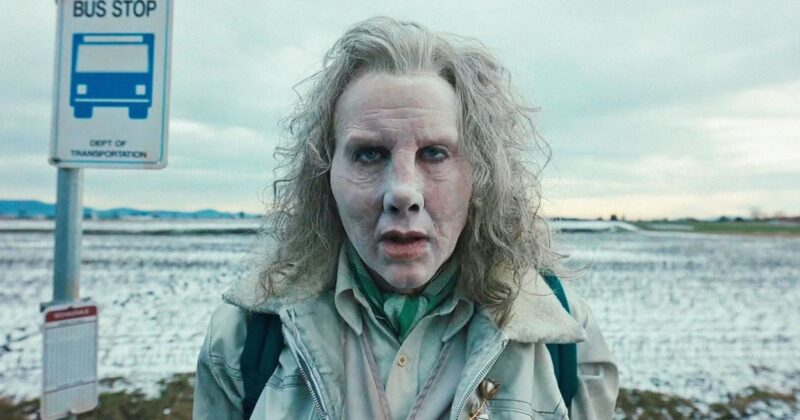
The Unlikely Boom of Horror Villain Prequels: Are We Ready for These Unasked Origins?
Horror’s Surprising New Trend: Spotlight on the Villains’ Beginnings
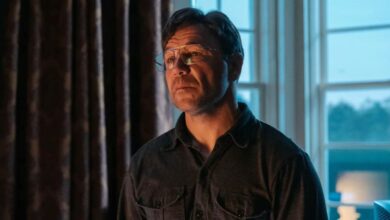
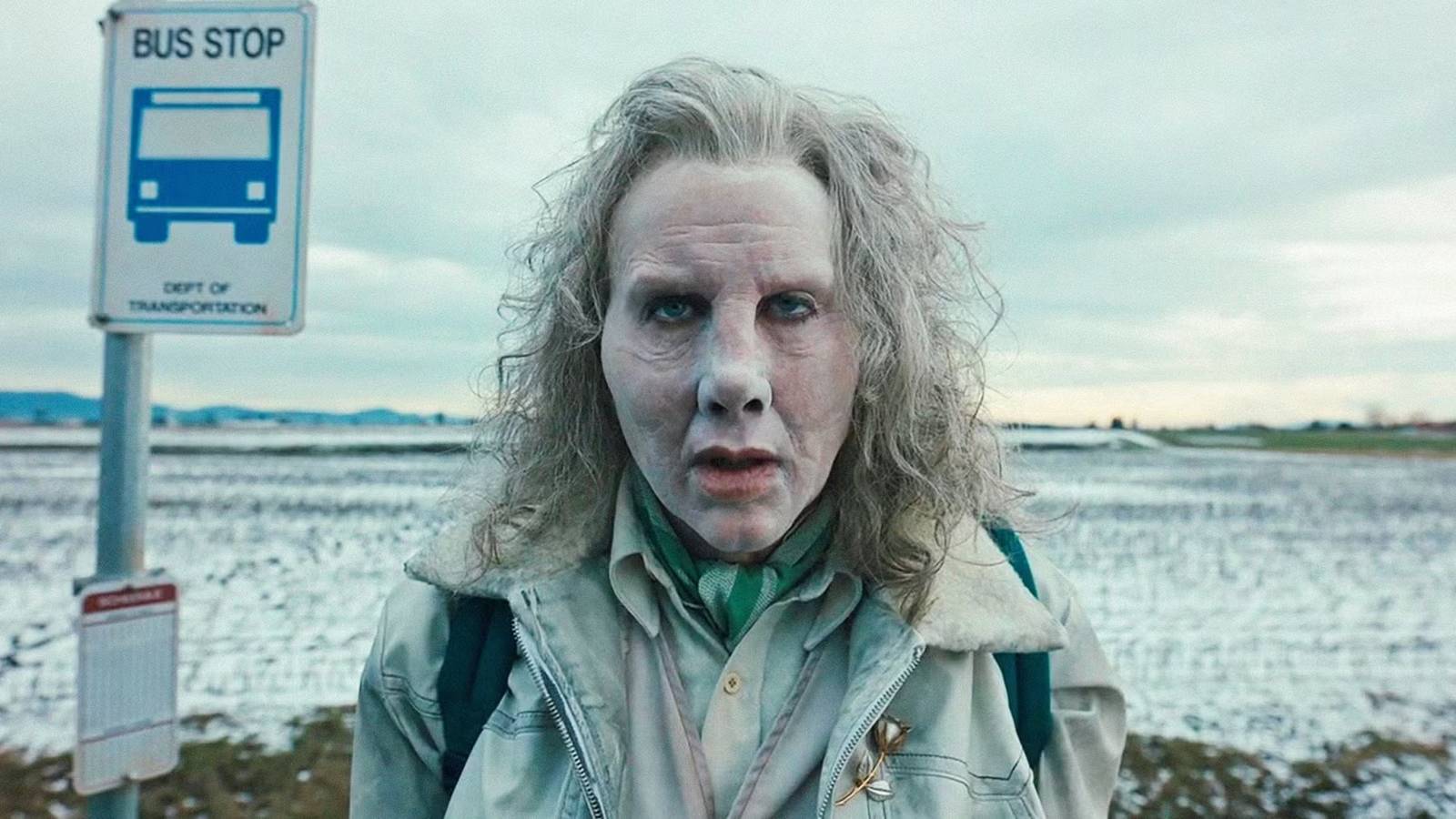
Fresh from the whirlwind of CinemaCon announcements, a distinct pattern is emerging in Hollywood’s horror arena: studios are diving headlong into prequels dedicated to their most enigmatic villains. Not content with simply terrifying viewers with mysterious figures, filmmakers are now peeling back the curtains on characters like Longlegs—with Nicolas Cage stepping right back into his chilling role—and Aunt Gladys, whose backstory is set to take center stage in a new major production. These projects are being fast-tracked, with original creative voices such as Osgood Perkins and Zach Cregger remaining deeply involved, signaling that there’s still creative gold left to be mined, even in the land of supposed overexplanation.
Why Are Studios Obsessed with Horror Villain Prequels?
Traditionally, horror has thrived on what it withholds. The less we know about a killer’s origins, the more unsettling they become—Michael Myers didn’t need a childhood montage to haunt our dreams. Yet, with villains like Longlegs and Gladys, the industry is doubling down. These expansions might seem like a way to cash in on popular franchises, but current projects stand out for one reason: the passionate return of their creators. Perkins, now one of horror’s fastest-moving auteurs, and Cregger, whose recent work has earned cult status, aren’t driven by box office alone. Their dedication hints at untold narratives with potential for genuine depth.
The Allure of Filling in the Blanks
Giving villains a backstory is hardly a new device, but the recent spike in high-profile prequel announcements—such as Longlegs and the tentatively titled Gladys—signals Hollywood’s desire to make us empathize, or at least better understand, evil incarnate. The idea walks a creative tightrope: overexplaining a character’s darkness can rob them of mystique, yet a well-crafted narrative, like Ti West’s acclaimed Pearl, reveals how haunting a villain’s perspective can be. Studios are betting on this delicate balance, hoping to echo the success of such bold character studies.
Mainstream Momentum: From It’s Pennywise to Crystal Lake
This trend isn’t just a two-hit wonder. The prequel push is gathering mainstream momentum, with projects like It: Welcome to Derry—delving deeper into Pennywise’s origins—and the Crystal Lake series promising to reveal a new layer of Jason Voorhees. These expanded universes reflect a shift in audience appetite, not just for scares, but for the psychology behind the mask. For fans of horror games and cinematic universes, watching beloved monsters gain complexity on screen feels much like a deep-dive expansion pack, where every dark corner of lore is fair game for exploration.
When Originals Return: Why There’s Still Hope—and Hype
What inspires faith in these upcoming films is the active involvement of the minds who launched these franchises. Osgood Perkins’ rapid-fire creative output since Longlegs captured the internet’s imagination, and Zach Cregger’s jump from breakout horror filmmaker to trusted franchise steward, mean these prequels aren’t just routine cash-ins. Both creators have turned down easier projects to pursue these stories, each bringing unique perspective and ambition to the table. Their reputations ride not just on scaring audiences, but on enriching the world-building that keeps horror obsessives returning.
What to Expect Next in the Era of Villain-Focused Horror
Audiences shape what studios chase, but when visionary talent leads, even the most unexpected trends can deliver. From Pennywise’s unearthly grin to the twisted upbringing of Jason Voorhees, the new wave of prequels is poised to challenge, unsettle, and might even generate empathy for the monsters that once hid in the shadows. All eyes now turn to how these projects handle the razor-thin line between revealing too much and just enough—the true pulse of modern horror.