Tom Cruise’s Most Overlooked Acting Masterpiece: Why ‘Collateral’ Remains a Genre-Defining Thriller

The Other Side of Tom Cruise: Beyond Blockbuster Stunts
Tom Cruise’s cinematic legacy is often spotlighted by gravity-defying feats and high-octane action, especially thanks to his commitment to the Mission: Impossible saga. While his daredevil persona has fueled countless debates about his range as an actor, those who look beyond the explosions and chase scenes discover a performer of remarkable nuance. Cruise has thrived as much in sharply comedic turns—his unrecognizable Les Grossman in Tropic Thunder—as he has in sci-fi epics like Edge of Tomorrow and War of the Worlds. Yet, nowhere is his versatility more profoundly displayed than in the atmospheric noir thriller Collateral, directed by the ever-meticulous Michael Mann.
Cruise as Vincent: Hollywood’s Most Intriguing Assassin
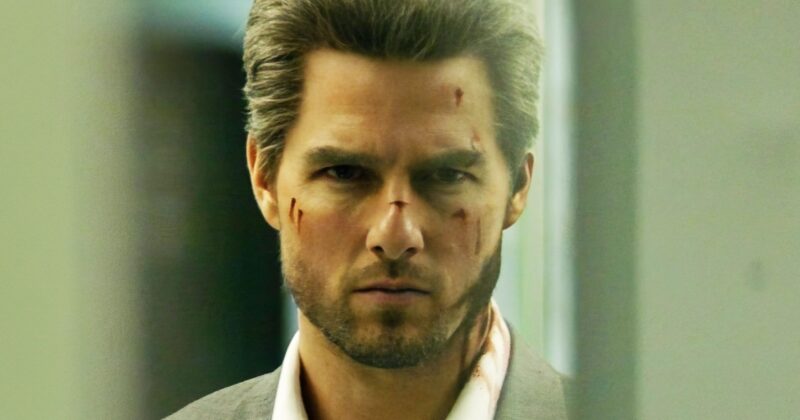
For those accustomed to Cruise as a magnetic hero, Collateral delivers a jarring pivot: here, Cruise slips chillingly into the shoes of Vincent, a contract killer navigating the neon-lit labyrinths of Los Angeles. Sharing dramatic space with Jamie Foxx’s Max, an anxious cab driver ensnared by circumstance, Cruise stakes out rare acting territory—as a true villain. Aside from his immortal Lestat in Interview with the Vampire, Vincent stands nearly alone in Cruise’s resume as a full-fledged antagonist, crafting a palpable sense of unpredictability and menace with every calm exchange and icy gaze.
A Different Kind of Thriller: Mann and Method
Where typical action vehicles gallop from spectacle to spectacle, Collateral simmers with tension. Michael Mann trades bombast for dread, letting the film’s pulse slow to amplify every silent threat. Cruise, under Mann’s guidance, delved deeply into method acting—wandering Los Angeles undercover, shadowing the assistant director, and training exhaustively with firearms. This immersion results in a character study layered with existential subtlety, distancing Collateral from the more kinetic fare that defined Cruise’s post-Mission: Impossible II era.
Shifting careers and expectations
The global response to Cruise’s career tilt after the early 2000s is detailed by the almost physical anticipation for every new stunt. However, his role as Vincent arrived before this transformation was set in stone, marking a unique chapter where Cruise could still surprise audiences as an actor and not just as a spectacle. His professional trajectory may see new shifts, with recent talks of comedic and darkly dramatic projects hinting at a broader palette rejuvenating his artistic ambitions in 2026 and beyond.
An Ensemble Fueled by Director’s Vision
The allure of Collateral isn’t exclusively Cruise’s. Michael Mann’s reputation for extracting raw, immersive performances runs deep—whether handling ensemble dramas like Heat or spotlighting individual transformations like Jamie Foxx’s turn as Max. Foxx’s gradual evolution from timorous everyman to desperate fighter earned him a Best Supporting Actor nomination, and the dynamic between Foxx and Cruise is electric, sharpened by Mann’s meticulous direction. The cast expands with talent such as Mark Ruffalo, Jada Pinkett Smith, Bruce McGill, and even a blink-and-miss cameo from Jason Statham—each amplifying the film’s urban nocturne atmosphere.
Why ‘Collateral’ Demands a Second Look
With its pulsating soundtrack, slick cityscapes, and deliberate pace, Collateral demonstrates a masterclass in controlled storytelling. Cruise’s performance is a blueprint for building suspense through detachment and intensity, subtly letting Vincent’s psychological unraveling bleed into the narrative. Anyone invested in cutting-edge cinema, character-driven thrillers, or the evolving boundaries of Tom Cruise’s talent owes it to themselves to revisit this standout film.