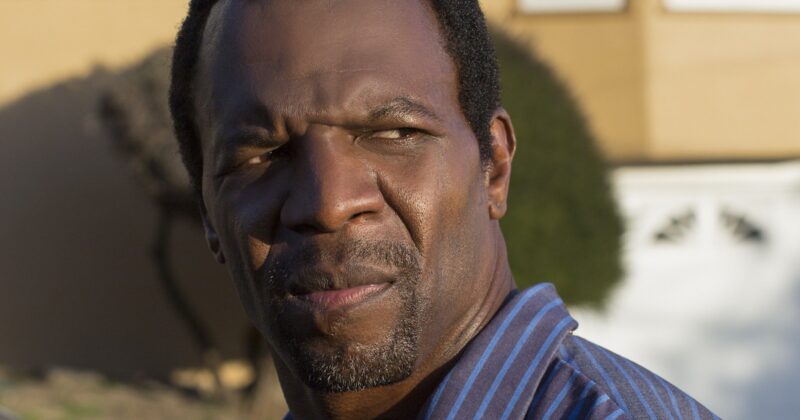
Why ‘Sorry to Bother You’ Remains a Sci-Fi Satire Powerhouse—and Terry Crews’ Role Matters

The Unmistakable Impact of ‘Sorry to Bother You’ in Modern Sci-Fi Cinema
Terry Crews is a name that echoes through Hollywood for his vibrant energy and memorable performances, yet his role in the satirical sci-fi film Sorry to Bother You offers one of the most unexpected turns in his career. Though Crews plays a supporting character, Sergio, his appearance in this mind-bending satire amplifies the film’s bite, making it a standout within both his filmography and the broader sci-fi landscape.
The Radical Premise Behind the Satire
At first glance, the movie tracks the struggles of Cassius ‘Cash’ Green, who, desperate to cover rent in a relentlessly gentrifying Oakland, lands a job at a call center. Here, the everyday is anything but ordinary: the company’s real purpose isn’t just to push books but sells labor at a dystopian scale, confronting viewers with a brutally honest allegory of modern capitalism.
Unmasking prejudice and profit, Cash learns that using a ‘white voice’—ingeniously dubbed by comedy icon David Cross—skyrockets his sales. The simple act of code-switching morphs into an uncomfortable yet hilarious motif, exposing the realities of racial and economic performance in customer service industries, and how much perception can outvalue genuine intent or expertise.
Science Fiction as Social Mirror
The sharpest science fiction doesn’t just imagine distant worlds; it spotlights the absurdities of our own. Sorry to Bother You achieves this with bravado, blending elements that echo the dystopian style of Terry Gilliam’s Brazil or the satirical edge of John Carpenter’s classics. Layers of technological control, corporate jargon, and the suffocating grip of the gig economy are revealed through inventive visuals and razor-sharp dialogue.
Writer-director Boots Riley delivers not just an audacious visual treat but embeds themes that are painfully amplifying in today’s economy: worker precarity, the crushing effect of unchecked capitalism, the futility of ordinary political resistance, and the alarming ease with which outrage is monetized or pacified by those in power. Yet, for all the film’s thematic heaviness, it’s delivered with such style and wit that its warning never feels prescriptive or preachy.
Terry Crews: From Dystopian Satire to Cultural Commentary
This isn’t Terry Crews’ first foray into the realm of sharp political comedy. Fans will instantly recall his unforgettable role as President Dwayne Elizondo Mountain Dew Herbert Camacho in Idiocracy—a role that turns the concept of a charismatic leader on its head. In this cult favorite, Crews embodies a bombastic figurehead guiding a society that has, quite literally, celebrated itself into idiocy. The pointed critiques of entertainment-driven politics and anti-intellectualism are arguably even more glaring in recent pop culture discourse, lending fresh relevance to both films today.
Satirical Sci-Fi: Why It Resonates Now
The continued relevance of Sorry to Bother You and movies like Idiocracy comes from their willingness to amplify—and slightly exaggerate—current societal anxieties. The technocratic systems, the promise of upward mobility only for a select few, and the omnipresent influence of corporations on daily life are no longer distant paranoias, but issues front and center in modern debates about technology, labor, and identity.
Terry Crews’ participation in these films isn’t just a testament to his comedic range; it signals an ongoing engagement with stories that push audiences to laugh and recoil in equal measure, confronting uncomfortable truths through the bizarre and the brilliant. These performances are reminders of how science fiction and satire can peel back the curtain on today’s most urgent cultural questions, leaving us questioning not only the world onscreen—but our own as well.