Why the Power Rangers Reboot Never Got Its Cinematic Universe: Inside the Missed Opportunity
A Blockbuster That Never Became a Franchise: The Power Rangers Movie
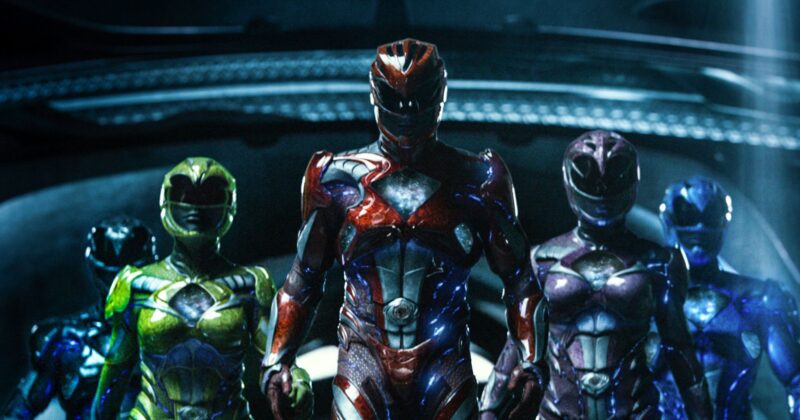
When the Power Rangers film hit theaters, it was positioned not just as a nostalgic return but as the bold rebirth of a multi-generational pop culture phenomenon. With a fresh cast led by Dacre Montgomery as Jason Scott, cutting-edge visuals, and a narrative revisiting the original ‘Mighty Morphin Power Rangers’ saga, the reboot had all the makings of a new cinematic universe in the vein of major franchises like The Hunger Games.
The Four-Movie Plan That Never Materialized
Dacre Montgomery, who played the Red Ranger, recently shed light on what was happening behind the scenes. The studio had mapped out an ambitious four-movie arc, inspired by the serialization success seen in YA adaptations. Lionsgate invested heavily, with plans to bring fan-favorites like Tommy Oliver and antagonists such as Lord Zedd into future films, setting the stage for a saga that could have mirrored the expansive roll-outs seen in superhero franchises.
Box Office Realities: When Nostalgia Meets the Numbers
Despite a powerful fan base and the immense global recognition of the Power Rangers brand, the movie faced tough competition and changing audience dynamics. Earning $142.5 million against a budget estimated between $100-105 million, the film fell short of the studio’s high expectations for profitability, especially when compared to other mega-franchises. This financial performance sealed the fate of the sequels, cutting short plans for a narrative evolution that would have brought deeper arcs and classic characters to the screen.
Storytelling Choices and Franchise Hurdles
Much of the film’s plot centered around the pilot episode, ‘The Day of the Dumpster,’ weaving in classic elements that would resonate with long-time viewers. The post-credits tease of Tommy Oliver, destined to become the iconic Green Ranger, indicated that the creative team was setting up for future expansions. However, lukewarm reviews—reflected in a 51% critics’ score versus a more generous 65% audience score on Rotten Tomatoes—were a hurdle. In a landscape increasingly driven by both critical reception and box office momentum, these figures were not enough to greenlight a second film, let alone a sprawling four-part epic.
Shifts in Ownership and the Road Ahead
The aftermath saw a significant transition, with Saban Entertainment selling the Power Rangers rights to Hasbro. This move marked a pivotal shift, as Hasbro brought both a toys-first and storyline-driven perspective to managing iconic IP. Meanwhile, the fandom is eagerly watching the horizon—showrunners Jonathan E. Steinberg and Dan Shotz, known for their work on ‘Percy Jackson and the Olympians,’ are now steering the next Power Rangers reboot. The new project, slated for release on Disney+, promises a modern take yet to be defined as either a true reboot or a continuation of existing lore.
What Might Have Been: Lost Potential, Lasting Legacy
The cancelled sequel arcs are a reminder of the volatile nature of big-budget genre filmmaking, especially when adapting beloved properties. While the 2017 film stands as a singular entry rather than part of a larger interconnected narrative, it offers a fascinating snapshot of how Hollywood seeks to balance legacy fandom with blockbuster business logic. As the next iteration of Power Rangers readies for a new streaming chapter, its enduring cultural resonance continues to shape how franchises reboot and evolve for new generations.