Shin Godzilla: The Most Terrifying Kaiju Redesign in Modern Cinema

Redefining a Cinematic Icon: The Horrifying Creativity of Shin Godzilla
For more than seven decades, Godzilla has stood as a towering pillar of Japan’s pop culture and a monster movie legend. Across countless films, the king of kaiju has undergone a myriad of transformations, each reimagining offering a unique visual or narrative twist. But few reinterpretations have rattled audiences quite like the monster’s appearance in Shin Godzilla. This entry stands apart not just for its chilling creature design, but also for the way it expertly weaves contemporary social commentary into the chaos of kaiju mayhem.
The Most Disturbing Godzilla Design to Date
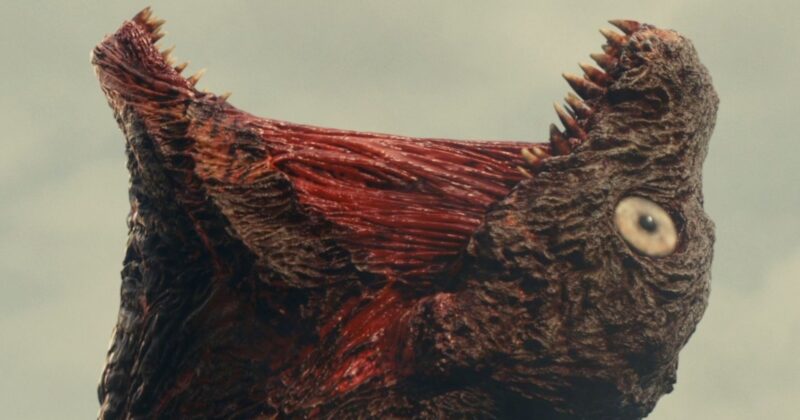
When Godzilla surfaces in Shin Godzilla, the first thing viewers notice aren’t the familiar dorsal fins or thunderous roar, but those oversized, glassy, fish-like eyes. This Godzilla doesn’t lumber in the traditional sense; it slithers, resembling some evolutionary nightmare, a creature half-formed, and in constant, disturbing flux. Every attack against this kaiju only drives its grotesque metamorphosis further, with regenerative abilities and rapid adaptations ramping up the threat level to unprecedented heights. The deliberately bug-eyed, amphibious first form is so starkly alien, many viewers at first mistake it for a new foe entirely rather than Godzilla himself.
This bold redesign isn’t just for shock value. The horror here is evolutionary—a creature that embodies unstoppable change and adaptation, making each attempt to neutralize it not only futile but actively hazardous. Even among Godzilla’s past movie counterparts, from classic rubber-suit incarnations to the digitally crafted beast in recent blockbusters, no version has delivered such a profoundly unsettling effect through design alone.
Radical Departure: Shin Godzilla’s Social and Political Commentary
Shin Godzilla is more than a monster bash; its story pulses with insight into the workings of modern Japan. While classic Godzilla films often portrayed the beast as an allegory for nuclear destruction, this entry takes inspiration from the real-world aftermath of the «Great East Japan Earthquake Disaster,» using Godzilla’s rampage as a mirror to governmental paralysis and bureaucratic hurdles exposed during national crises.
Unlike the character-driven narratives in most kaiju films, this iteration zeroes in on politics, procedure, and paralysis. Audiences follow government officials scrambling beneath fluorescent lights, caught in a tangle of red tape, their impotence made all the more terrifying in contrast to the monster evolving and destroying just outside. The film’s razor-sharp satire of government response resonates deeply, especially for viewers familiar with recent Japanese history and the global challenges of disaster management.
New Standards in Monster Movie Mastery
Every reboot of the Godzilla franchise offers an opportunity for filmmakers to leave their mark on pop culture’s most famous kaiju. Shin Godzilla succeeds not by merely updating the monster’s look, but by fundamentally reimagining its nature and meaning. Its influence can be seen even in the Oscar-winning visual effects and narrative power of follow-up films, proving how a single radical redesign can shock, disturb, and inspire both audiences and creators alike within the ever-evolving world of kaiju cinema.